
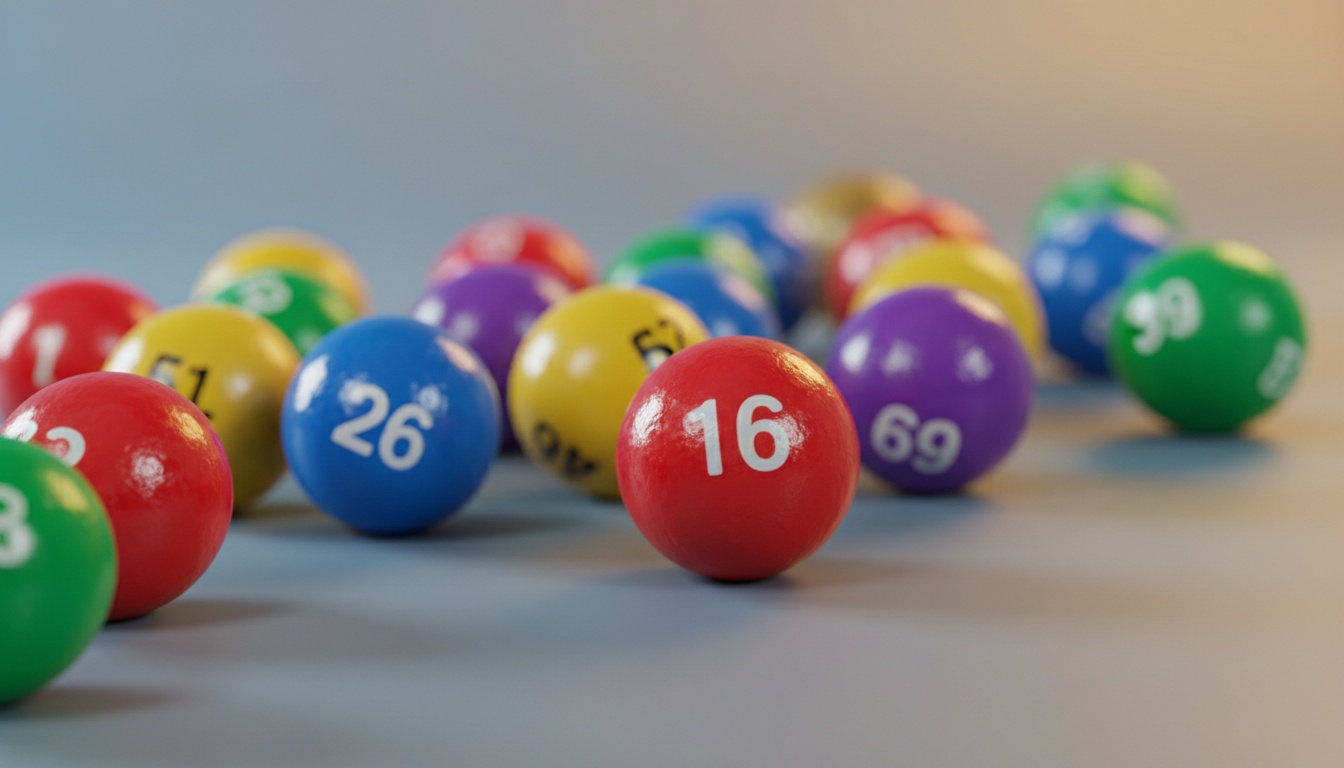
1. Understanding Powerball Overdue Numbers: What They Reveal (and Don't)
A Powerball overdue number is any ball drawn fewer times than its statistical expectation across a fixed draw window. Before the tables, this definition matters. The game uses a pick 5 from 1 to 69 format for white balls alongside a single red ball pulled from a pool of 26.
After checking the Powerball frequency data, we know the benchmarks. White balls and red balls each have a calculated expected appearance count based on the total draws in this dataset. There is a difference between an overdue number and a cold number.
Overdue means the total count falls below the expected frequency over a fixed window. Cold simply indicates a recent absence in the drawing history. The gambler's fallacy traps players into thinking a drought tracker predicts the future. These terms only describe the past. If you or someone you know has a gambling problem, call the National Problem Gambling Helpline at 1-800-522-4700.
2. The Most Overdue Powerball White Balls: Full Data
Here is what the data actually shows. The table below highlights the least-drawn white balls from October 7, 2015, through August 15, 2026.
| Ball | Draws |
|---|---|
| 13 | 75 |
| 49 | 81 |
| 26 | 82 |
| 46 | 83 |
| 34 | 84 |
| 25 | 88 |
| 65 | 89 |
| 51 | 90 |
Ball 13 sits notably below its statistical expectation. Honestly, when I first pulled this specific number, I had to double-check the entire dataset. A gap of this size below expectation sounds massive.
It isn't, and the chi-square result makes that clear immediately. The chi-square goodness-of-fit test against a uniform distribution returns a p-value well above 0.05, meaning the result is not statistically significant. In plain terms: this spread is entirely consistent with a fair, random draw.
Over the full draw window, a uniform process produces exactly this kind of gap. You get a historical record, which is genuinely useful for understanding the game, but nothing that tells you what happens on the next draw. Every draw is independent. The machine owes ball 13 nothing.
How to Read the Overdue White Ball Table
Look at ball 13 in the statistics above. It has 75 total appearances, putting it well below the mathematical expectation. We do not need era adjustments or asterisks here because all 69 balls have had identical chances to appear across the draw window covered.
Tracking the days since drawn or consecutive drawings missed gives you a historical record.
If you want to track this between our updates, the official Powerball website publishes a number frequency tool updated after every draw. Many third-party lottery tracking sites like LottoScan also maintain live overdue rankings. Always verify their published data against the official operator source before making any purchasing decisions. Remember, all results published on this site are unofficial; always confirm with the official lottery operator or a licensed retailer.
While tracking overdue numbers provides historical context, verifying your actual tickets against official results is essential. You can check your numbers instantly with LottoScan after every Powerball and Mega Millions draw, no account required.
3. The Most Overdue Red Powerball Numbers: What the Data Shows
The red ball pool operates under the same physical rules. The table below highlights the least-drawn red Powerballs across the draw window covered by this dataset.
| Ball | Draws |
|---|---|
| 16 | 40 |
| 17 | 44 |
| 7 | 46 |
| 8 | 46 |
| 15 | 46 |
| 22 | 46 |
| 11 | 48 |
| 12 | 48 |
Red ball 16 sits meaningfully below its statistical expectation in this dataset. You should contrast this specific result directly against the most-drawn red balls found in the dataset. Across the draw window analyzed, the leading red balls have accumulated notably more appearances than the least-drawn ones.
The statistical analysis here is similarly clear. The chi-square result for the red ball pool returns a p-value well above 0.05. This specific mathematical result confirms the physical machine is working exactly as intended based on the published and verified official Powerball game rules and draw procedures.
Why the Red Ball Pool Behaves Differently
Gaps close faster here. A shortfall in a 26-ball pool is proportionally similar to a larger shortfall in a 69-ball pool. Individual variance looks larger in percentage terms, but the rigorous statistical test still finds absolutely nothing unusual in the complete historical draw data.
You can compare this directly against the Powerball hot numbers analysis.

4. Debunking the Gambler's Fallacy: Why Overdue Numbers Aren't "Due"
A ball drawn 75 times has exactly the same probability of appearing next draw as a ball drawn 124 times. The machine has no memory. I've run this chi-square test every time we update the database, and the result is always the same: the distribution is boring in the best possible way.
The reason this fallacy is so persistent, and so dangerous in lottery contexts, is that the human brain is wired to find patterns in sequences. A run of absences genuinely feels like pressure building toward an inevitable correction, even when the underlying process has no mechanism for that correction to occur.
Each Powerball draw is an independent random event from a fixed pool. P-values sitting well above 0.10 mean the physical machine is doing exactly what it is supposed to do.
The Machine Has No Memory
One question worth answering directly is whether overdue numbers eventually catch up. In aggregate, yes, because regression to the mean is a real statistical property observed over thousands of draws. The catch is that the timeline remains entirely unpredictable. The mathematical catch-up happens across the full distribution rather than reliably occurring on any specific next draw.
Can AI Predict Powerball Numbers?
No. AI and machine learning require detectable patterns to function. Across the verified Powerball draws in this dataset, chi-square tests for both white balls and red balls confirm pure randomness — there is no signal for any model to learn from.
Does Tracking Overdue Numbers Hurt Your Odds?
No, tracking overdue numbers does not change your odds. Your probability per ticket is fixed by the matrix regardless of which numbers you select. Overdue tracking changes your number selection, but it never alters your fundamental mathematical probability of winning any specific prize tier.
The one indirect effect worth knowing involves prize sharing. If overdue numbers happen to cluster in the 1 to 31 range, more players may avoid them. This could theoretically reduce prize sharing if those numbers hit. Still, this is a marginal consideration rather than a viable strategy. It's important to remember that number selection only impacts how a potential prize is shared among winners, never the mathematical probability of winning.
If you are interested in approaches to playing the lottery, you must focus entirely on how you play the game instead of what specific numbers you choose to pick.
5. Overdue vs. Hot Numbers: Understanding the Difference (and Why It Matters)
Hot numbers and cold numbers are descriptive tools. Some players chase the historically frequent hot white balls, while others chase the least-drawn cold white balls like those shown in the table above. This is the exact same data with an opposite framing.
The one honest thing number choice affects is how a potential jackpot prize is ultimately shared among multiple winning tickets on the draw night. Some players prefer the momentum fallacy, while others prefer the due-number fallacy. Both concepts are merely post-hoc narratives applied to perfectly random historical lottery statistics.
Dates crowd 1 to 31. Tidy visual patterns crowd the physical paper play slip at the retailer. Mixing hot and cold numbers does not meaningfully change your ticket's overall position in the mathematical sum distribution.
What Ball Sum Distribution Actually Tells You
The sum of the main balls has a calculable mean and median based on the draw history. Tickets built around all-high or all-odd combinations sit far outside that center, not because they are less likely to win, but because they are structurally rare and less likely to be shared.
Consider the odd and even number pairs. Across the draw window analyzed, the most common splits tend to be 3 odd and 2 even or 2 odd and 3 even. This is a more grounded structural consideration than chasing a powerball smart pick or overdue pairs. Both datasets offer a historical record, but neither provides a genuine mathematical edge for players.
6. How Powerball Overdue Tracking Compares to Mega Millions
The same logic applies to Mega Millions, though the larger pool changes how gaps appear. Mega Millions uses a pick 5 from 70 format for white balls alongside a single Mega Ball from a pool of 25. With 70 white balls, each Mega Millions number has a slightly lower expected appearance count per draw than Powerball's 69-ball pool. Because the expectation is lower, apparent droughts can look longer.
The Mega Millions red ball pool is nearly identical to Powerball's 26-ball pool. This structural similarity means red ball overdue patterns behave very similarly across both major multi-state lottery games. The overdue concept is structurally identical across both formats, and the statistical verdict is the same.
Ready to Check Your Powerball Numbers?
LottoScan provides a quick way to compare your ticket against the latest draw results. It is free and requires no sign-up. Used by lottery players across 12 states to compare Powerball and Mega Millions tickets after every draw, it pulls publicly available data immediately. Check your numbers with LottoScan. Remember, all results published on this site are unofficial; always confirm with the official lottery operator or a licensed retailer.
7. Key Takeaways
- White balls 13, 49, and 26 are the most overdue numbers in the dataset analyzed.
- Red ball 16 is the most overdue Powerball in this dataset.
- Chi-square tests confirm the draws are entirely consistent with random chance. If you or someone you know has a gambling problem, call the National Problem Gambling Helpline at 1-800-522-4700.
- Overdue tracking provides a historical record of the game rather than a predictive strategy for the next draw.
- Number selection only impacts how a potential prize is shared among winners, never the mathematical probability of winning.
---